
A Safe Start Begins Before the First Toy Arrives
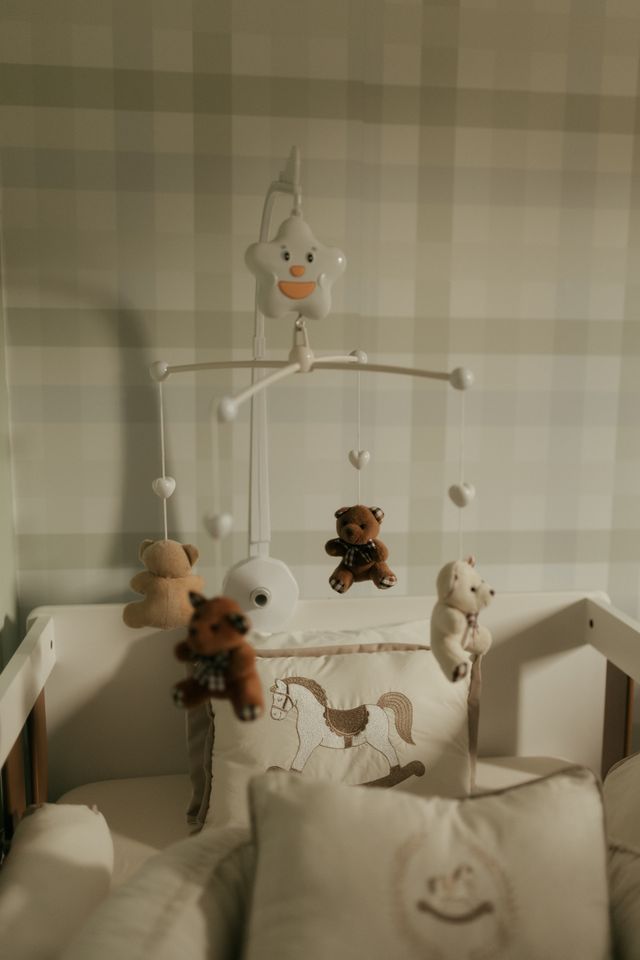
Designing a nursery is often focused on colors, furniture, and decorations, but the healthiest rooms are built with safety in mind long before the finishing touches are added. Many common household materials can introduce unnecessary environmental hazards, making it worthwhile to look beyond appearances and consider what is actually in the room.
A few informed choices can create a cleaner, healthier space where a child can sleep, play, and grow.
Choose Low-Emission Paints and Materials
Fresh paint may look beautiful, but some products release volatile organic compounds (VOCs) into the air for weeks or even months. Selecting low-VOC or zero-VOC paints helps improve indoor air quality and reduces lingering chemical odors.
The same principle applies to furniture and flooring. Solid wood pieces or products certified for low formaldehyde emissions are often better choices than inexpensive pressed wood items that can off-gas over time.
Pay Attention to Flooring and Dust
Floors collect everything from pet dander to outdoor pollutants. Carpets can trap dust, allergens, and chemicals that are difficult to remove completely. Where practical, hard flooring surfaces such as wood or tile are easier to keep clean.
If carpet is preferred, frequent vacuuming with a HEPA-filter vacuum and regular deep cleaning can significantly reduce accumulated contaminants.
Keep the Air Fresh and Well Ventilated
Good ventilation is one of the simplest ways to improve a nursery environment. Open windows when weather permits, use properly maintained HVAC filters, and avoid blocking air vents with furniture.
Air purifiers equipped with HEPA filters can also help reduce airborne particles, particularly in homes located near busy roads or areas with seasonal wildfire smoke.
Think Carefully About Furniture Placement
Position the crib away from windows with direct sunlight, heating vents, or older blinds that may contain hazardous cords. Heavy furniture such as dressers and bookcases should always be securely anchored to the wall to prevent tipping accidents.
Electrical outlets should be covered, while cords from lamps and monitors should be organized to eliminate potential hazards.
Be Selective with Cleaning Products
Strong chemical cleaners may leave residues or create unnecessary indoor pollutants. Mild, fragrance-free cleaning products are often sufficient for routine maintenance. Regular dusting with a damp cloth also prevents particles from becoming airborne.
It’s equally important to avoid scented candles, air fresheners, or excessive use of essential oils, as these can affect indoor air quality.
Small Decisions Make a Big Difference
Creating a healthier nursery does not require expensive renovations or specialized equipment. It comes down to thoughtful choices: cleaner materials, better ventilation, safer furniture installation, and consistent maintenance.
A nursery should provide comfort as well as peace of mind, and reducing environmental hazards is one of the most practical investments that can be made in a child’s early years.