
Pets bring energy, comfort, and companionship into a home—but they also introduce additional wear and tear that requires consistent upkeep. From shedding fur to scratched surfaces and hidden moisture issues, homes with pets demand a proactive maintenance routine. Staying ahead of these tasks helps preserve property value, improve indoor air quality, and prevent costly repairs down the line.
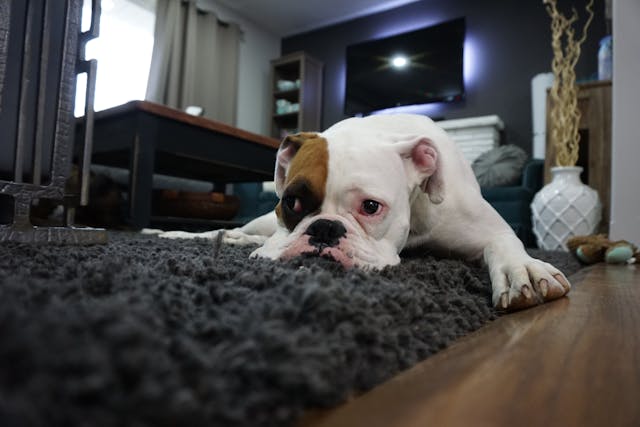
Flooring Care and Protection
Flooring tends to show the first signs of pet-related wear. Hardwood surfaces are vulnerable to scratches from claws, particularly in high-traffic areas like hallways and living rooms. Routine nail trimming helps reduce damage, but homeowners should also consider applying protective floor finishes and using washable area rugs in active zones.
For homes with carpet, frequent vacuuming is essential. Pet hair, dander, and tracked-in debris can settle deep into fibers, contributing to odors and allergens. Professional carpet cleaning at least once a year—more often if pets have accidents—helps maintain both appearance and hygiene.
Tile and vinyl flooring are generally more resilient, but grout lines can trap dirt and bacteria. Periodic deep cleaning and resealing grout helps prevent staining and deterioration.
HVAC Systems and Air Quality
One of the most overlooked maintenance areas in pet-friendly homes is the HVAC system. Pet hair and dander circulate through return vents and accumulate in air filters faster than many homeowners expect. Filters should be checked monthly and replaced more frequently than the standard recommendation—often every 30 to 60 days depending on the number of pets.
Air ducts may also require periodic professional cleaning. Excess buildup can reduce efficiency and affect indoor air quality. Keeping vents clear and ensuring proper airflow helps maintain a healthier living environment for both residents and animals.
Exterior and Yard Maintenance
Outdoor spaces used by pets require special attention. Lawns can develop brown patches from concentrated pet waste, and soil erosion may occur in areas where dogs frequently run or dig. Regular lawn care, reseeding damaged areas, and promptly removing waste help protect landscaping.
Fencing should also be inspected routinely. Loose boards, gaps, or rusted hardware can compromise containment and safety. Gates should latch securely and swing properly to prevent escapes.
In addition, pet doors should be sealed tightly and checked for weatherproofing. Poorly sealed openings can allow drafts, moisture intrusion, and even pests into the home.
Moisture and Odor Prevention
Accidents happen—even with well-trained pets. Prompt cleanup is critical to prevent subfloor damage, mold growth, and lingering odors. Enzymatic cleaners are especially effective in breaking down organic materials that standard cleaners may miss.
Hard-to-detect moisture beneath flooring can lead to long-term structural concerns. Monitoring for soft spots, discoloration, or persistent smells helps catch problems early. In some cases, minor repairs today can prevent significant restoration work later.
Wall and Surface Repairs
Walls, doors, and trim may show scratches, scuffs, or chew marks over time. Periodic touch-up painting and minor repairs maintain the home’s appearance and prevent exposed materials from deteriorating further.
By incorporating these maintenance practices into a routine schedule, homeowners can enjoy the benefits of pet ownership while protecting the integrity of their property. A well-maintained home supports the health of its occupants—two-legged and four-legged alike.