
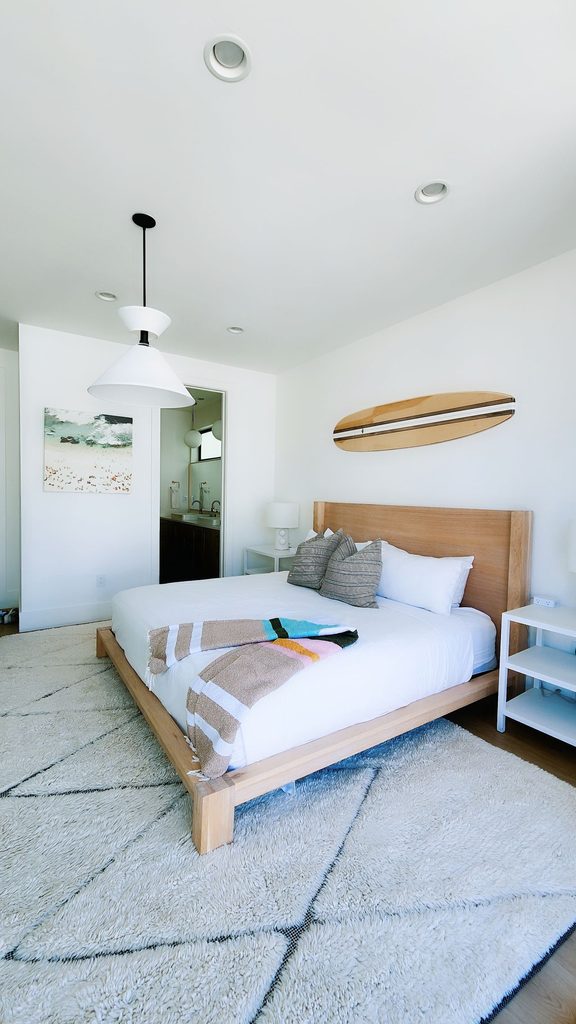
Short-term vacation rentals offer convenience, flexibility, and a home-away-from-home experience for travelers. For property owners, they can also provide an attractive source of income. However, frequent guest turnover brings a unique set of maintenance challenges that traditional homes and long-term rentals may not experience as often.
From plumbing leaks to worn flooring and overlooked safety hazards, small issues can quickly become expensive problems when a property is occupied by a steady stream of guests. Regular maintenance and thorough inspections are essential for protecting your investment, keeping guests safe, and maintaining a positive rental experience.
🏠 Frequent Guest Turnover Means More Wear and Tear
A vacation rental may welcome dozens of different households throughout the year. Each guest uses the showers, appliances, doors, windows, furniture, and other features of the property differently.
Over time, this constant activity can accelerate normal wear and tear. Loose handrails, damaged door hardware, cracked tiles, and deteriorating caulking may seem minor, but they can affect both safety and functionality.
Practical tip: Schedule routine property checks between bookings, and arrange more comprehensive inspections periodically to identify developing problems before they require costly repairs.
💧 Small Plumbing Problems Can Become Major Repairs
Bathrooms, kitchens, laundry areas, and water heaters often experience heavy use in short-term rentals. A slow drain, dripping faucet, running toilet, or small supply-line leak can go unnoticed between guest stays.
Even a minor leak can damage cabinets, flooring, drywall, and surrounding finishes. In warm, damp areas, persistent moisture can also encourage mold growth.
Inspect under sinks, around toilets, near water heaters, and around visible plumbing connections. Look for water stains, unusual odors, corrosion, and signs of moisture. When a problem is suspected, have a qualified professional investigate promptly.
⚡ Guest Safety Should Never Be an Afterthought
Guests may be unfamiliar with a property’s layout, appliances, and safety features. This makes reliable electrical systems, secure stairs, functioning smoke alarms, and clear emergency exits especially important.
Check that smoke and carbon monoxide alarms are installed where required and are functioning properly. Examine visible electrical components for damage, verify that stairways and walkways are free of hazards, and make sure exterior lighting works as intended.
California requirements can vary by property type and location, so owners should confirm applicable building, fire, and short-term rental regulations rather than relying on a generic checklist.
🌦️ Local Conditions Can Add Maintenance Challenges
In the Santa Clarita area, hot summers, seasonal rain, and periods of dry weather can place additional stress on a property.
Roofing, exterior sealants, drainage systems, irrigation, and heating and cooling equipment deserve regular attention. Before and after the rainy season, check for blocked gutters, poor drainage, deteriorated caulking, and signs of water intrusion. Air-conditioning filters and equipment should also receive maintenance according to manufacturer recommendations.
🔍 Professional Inspections Help Protect Your Investment
Routine cleaning is not a substitute for a property inspection. Housekeeping teams generally focus on cleanliness and presentation, while inspections help identify visible defects, maintenance concerns, and potential safety issues.
A qualified home inspector can assess accessible areas and recommend further evaluation when something needs specialized attention. Inspections do not guarantee that every defect will be found, but they can provide valuable information for prioritizing repairs and planning maintenance.
The Bottom Line
A successful vacation rental depends on more than attractive photos and five-star reviews. Consistent maintenance and timely inspections help reduce unexpected repairs, support guest safety, and preserve the property’s long-term value.
The smartest approach is proactive, not reactive. By addressing small concerns early and following a dependable inspection schedule, property owners can keep their rentals in better condition, minimize disruptions, and offer guests a more comfortable place to stay.