
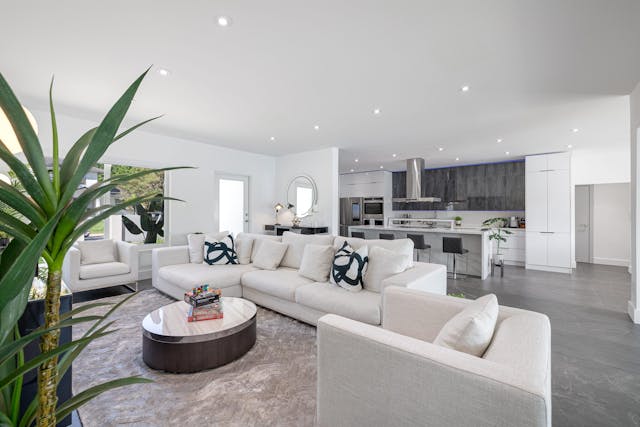
Open-concept living has become a popular choice for homeowners looking to create a brighter, more connected space. Removing walls and blending rooms can dramatically change how a home feels and functions. However, achieving this look requires thoughtful planning and a clear understanding of what lies behind the walls—both structurally and practically.
Understanding Structural Integrity
Before any wall comes down, it’s essential to determine whether it is load-bearing. These walls support the weight of the structure above, and removing them without proper reinforcement can compromise the home’s safety. In many cases, a beam or other structural support must be installed to redistribute the load. Consulting with a structural professional ensures that modifications are done correctly and in compliance with building standards.
Evaluating Electrical and Plumbing Systems
Walls often house wiring, outlets, and plumbing lines that serve multiple areas of the home. When opening up a space, these systems may need to be rerouted or upgraded. This is also a good opportunity to modernize outdated electrical systems or improve plumbing layouts. Careful planning helps avoid unexpected complications during construction.
Maintaining Proper Ventilation and Airflow
An open-concept design changes how air moves throughout the home. Heating, ventilation, and air conditioning systems may need adjustments to maintain consistent temperatures. Without proper airflow, certain areas can become too warm or too cool. Ensuring balanced ventilation contributes to comfort and energy efficiency.
Considering Lighting and Natural Light
One of the biggest advantages of open-concept spaces is the ability to maximize natural light. Removing walls allows light to travel more freely, but it’s still important to plan for adequate artificial lighting. Layered lighting—such as recessed lights, pendant fixtures, and task lighting—helps define different zones within a shared space while maintaining a cohesive look.
Addressing Flooring Continuity
When combining rooms, flooring should flow seamlessly to create a unified appearance. Differences in height or material can disrupt the visual openness. Matching or replacing flooring may be necessary to achieve a smooth transition. This step often has a significant impact on the overall aesthetic.
Managing Noise and Acoustics
Open spaces can amplify sound, making noise travel more easily throughout the home. This can be challenging in households where multiple activities happen at once. Incorporating soft materials like rugs, upholstered furniture, and acoustic panels can help absorb sound and maintain a comfortable environment.
Defining Functional Zones
Even without walls, each area should have a clear purpose. Thoughtful furniture placement, rugs, and lighting can help define spaces such as the kitchen, dining area, and living room. This approach maintains organization while preserving the openness of the design.
Ensuring Code Compliance and Permits
Remodeling projects often require permits and inspections to ensure that work meets local building codes. Skipping this step can lead to complications when selling the home or addressing future repairs. Following proper procedures protects both the investment and the occupants.
Final Thoughts
Creating an open-concept home can transform both the look and functionality of a space. By carefully considering structural, mechanical, and design elements, homeowners can achieve a result that is not only visually appealing but also safe and practical for everyday living.