
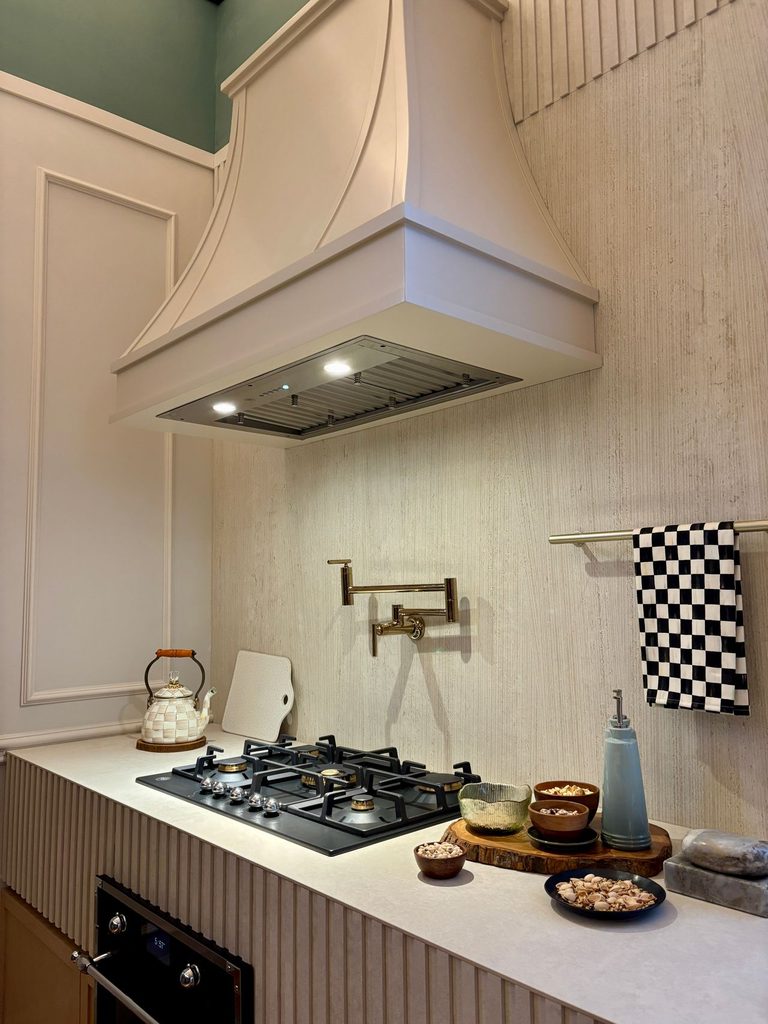
A kitchen exhaust hood may not be the most noticeable feature in a home, but it performs an important job every time a meal is prepared. From steam and cooking odors to grease and airborne particles, a properly functioning hood helps move unwanted contaminants out of the kitchen. It can also help protect surrounding surfaces from the gradual buildup that comes with regular cooking.
Why an Exhaust Hood Is More Than a Convenience
Cooking releases more than food aromas. Heat, moisture, smoke, grease, and fine particles can enter the air, particularly when frying, searing, broiling, or cooking at high temperatures. Without adequate ventilation, these byproducts can settle on cabinets and walls or contribute to lingering odors and elevated indoor moisture.
A hood that vents to the exterior can be especially effective because it removes contaminated air from the home rather than simply filtering and returning it to the room.
Not every hood operates the same way. Some systems exhaust outdoors through ductwork, while recirculating models pass air through filters before returning it to the kitchen. Understanding which type is installed is useful when evaluating its performance and planning maintenance.
A Few Simple Maintenance Habits Go a Long Way
Grease is one of the biggest maintenance concerns around a cooking hood. Over time, filters and interior surfaces can accumulate a greasy residue that reduces airflow and creates an unnecessary fire hazard.
For routine care:
- Clean the grease filter regularly. Follow the manufacturer’s instructions for removing and cleaning it. Some metal filters can be washed, while disposable filters require replacement.
- Wipe accessible surfaces. Use an appropriate household degreaser on the hood’s exterior and accessible interior areas, following the manufacturer’s recommendations.
- Check the fan. Listen for unusual rattling, grinding, or excessive vibration, which can indicate a mechanical problem.
- Inspect the ductwork when accessible. Look for loose connections, damaged sections, or signs that air is not being properly exhausted outdoors.
- Keep the exhaust outlet clear. Exterior vents should not be blocked by debris, nests, or other obstructions.
Always turn the hood off before cleaning it, and disconnect electrical power when maintenance requires access to components beyond normal user cleaning. Avoid spraying cleaning products directly onto electrical components.
Don’t Ignore Changes in Performance
A hood that suddenly becomes noisy, weak, or unusually slow to clear cooking fumes deserves attention. Reduced airflow may result from a dirty filter, an obstruction, a ductwork problem, or a failing fan.
It is also worth remembering that a kitchen hood is only one part of a home’s ventilation system. Proper installation, suitable ductwork, and adequate makeup air where required all contribute to safe and effective operation.
A Small Appliance With a Big Job
Regularly using and maintaining a kitchen exhaust hood is a simple home-maintenance habit with practical benefits. Keeping the filter clean, watching for performance changes, and making sure the system can discharge air as intended can help keep the kitchen cleaner, more comfortable, and better ventilated.