
A house that’s been empty for an extended period can look like an opportunity—less competition, potential negotiating room, and sometimes a lower asking price. But a quiet home often tells a louder story once you take a closer look. Understanding what typically happens to a vacant property can help you make a more informed decision before moving forward.
The Hidden Effects of Time
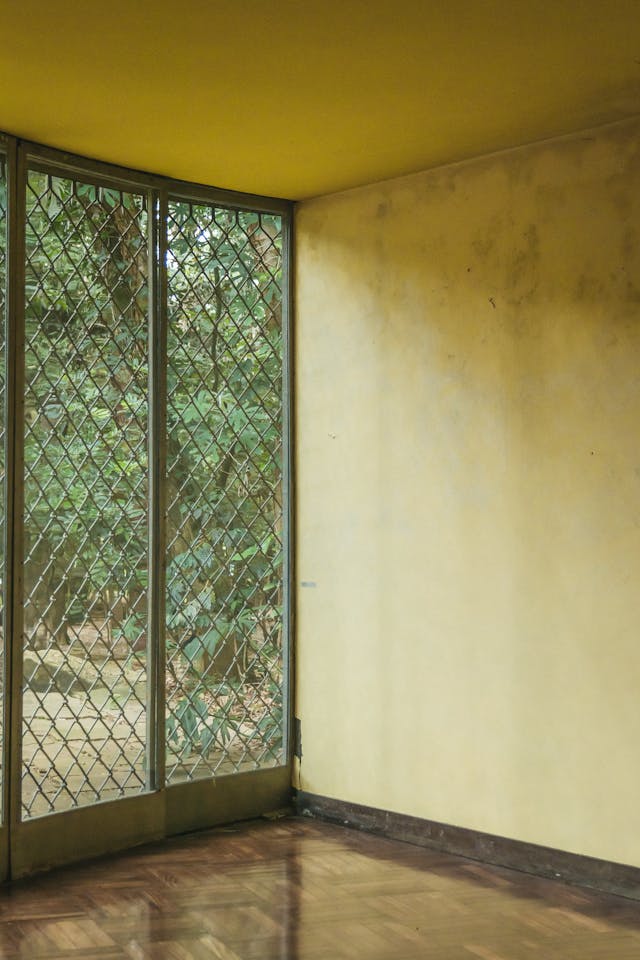
When no one is living in a home, small issues tend to grow unnoticed. Routine maintenance—things like running water, adjusting ventilation, or keeping pests at bay—simply isn’t happening. Over time, this lack of activity can lead to wear that isn’t always obvious during a casual walk-through.
Moisture is one of the most common concerns. Without regular airflow, condensation can build up, especially in coastal or humid regions. This can lead to staining, musty odors, or even mold growth in enclosed areas like closets, attics, and crawlspaces. On the flip side, extremely dry conditions can cause wood materials—floors, cabinets, and framing—to shrink or crack.
Plumbing and Electrical Considerations
Plumbing systems don’t perform well when left unused. Water sitting in pipes can lead to corrosion, mineral buildup, or leaks once the system is pressurized again. Fixtures may appear fine but fail shortly after regular use resumes. Water heaters, in particular, can deteriorate faster when idle.
Electrical systems may also present surprises. Rodents are known to nest in quiet spaces and can chew on wiring, creating safety hazards that aren’t immediately visible. It’s not uncommon to find tripped breakers, outdated modifications, or disconnected components in homes that have been vacant.
Pest Activity and Structural Concerns
An empty home can attract unwanted occupants. Insects, rodents, and even larger animals may move in if there are accessible entry points. Evidence isn’t always dramatic—sometimes it’s as subtle as droppings in a cabinet or insulation that’s been disturbed in the attic.
Structurally, deferred maintenance is often the bigger issue. Roof leaks, minor foundation cracks, or exterior damage may have gone unaddressed for months or years. What might have been a simple repair early on can evolve into a more significant concern if left unattended.
HVAC Systems and Air Quality
Heating and cooling systems that haven’t been used regularly can develop issues ranging from clogged filters to mechanical failure. Ductwork may contain dust buildup or debris, and in some cases, microbial growth. When systems are turned back on, these conditions can affect indoor air quality almost immediately.
Making a Smart Assessment
A vacant home isn’t necessarily a bad investment—it just requires a more careful evaluation. A thorough inspection should go beyond surface-level observations and include testing of major systems, checking for moisture intrusion, and looking for signs of pest activity.
It’s also wise to budget for unexpected repairs. Even well-maintained homes can show signs of wear after sitting empty, so having a contingency plan helps avoid surprises.
Final Thoughts
A house that’s been unoccupied can still become a solid home with the right approach. The key is recognizing that inactivity often hides problems rather than preventing them. With a detailed assessment and realistic expectations, buyers can move forward confidently and turn a quiet property into a well-functioning space once again.